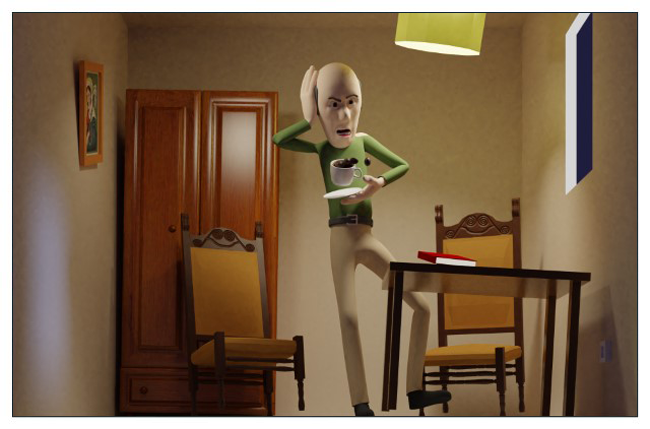
Noise disturbance
How to Deal With a Noisy Neighbor
When living in an apartment building with other people, there is a very high probability that you will encounter at least one noisy neighbor. It's estimated that a third of the population is affected by living close to noisy neighbors. In most cases, the neighbors are not aware that they are disturbing you; thus, one must summon the courage to inform them. In case that doesn’t work, one might be forced to move on to stronger measures. So whatever the noise, there are several things one can do about it.
Approach Neighbors Directly
When trying to resolve such an issue, approaching the neighbors is the first step that should be taken. In most cases, the neighbors might be unaware that they are loud to a point where they are making you suffer. The issue should be handled politely to get the desired results. Explain their noise nuisance and how they are affecting your life; talk to the neighbors about the desired outcome. For example, they can use their headphones or keep the volume down. The approach might help solve the problem.
Take Notes
One should carefully record the outcome of the conversation with as many details and facts as possible. The notes of your actions may come in handy if the problem persists and further steps need to be taken.
Write a Letter
If after the conversation, there is no change witnessed, you should try to write a letter to your neighbor. Letter writing may seem old-fashioned, but it is a formal way of communication; especially if the neighbor is not willing to listen to you. As with the conversation held, be factual and polite while stating the expected outcome. A copy of the letter should be kept as part of written records actions taken to resolve the case.
Speak to the Landlord
If the house is rented, speaking to the landlord about the issue might be useful. If possible, you should look at the tenancy agreement as it might contain a clause on noise disturbance. If such a provision exists, then they might be breaking the contract and actions can be taken against them.
Involve a Middle-Man
Mediation is a handy way of solving problems; nevertheless, it is usually overlooked. Besides, a mediator listens to views from both parties; either independently or in a meeting. This helps them gauge the situation and come up with a compromise that best suits both parties.
Contact Local Authority
If all the other approaches fail, you should contact the local authority. Every local authority has an environment department that should have guidelines on how to handle such problems. The chances are high that one of the officials will visit you to inform you of your rights and the help to expect. Also, the neighbor will be contacted and informed of all legal steps that might be taken against them.
Take Legal Action
If all the approaches fail to solve the problem, you can finally resolve to legal action. Most importantly, the notes you took earlier should be used as evidence when trying to build a civil case for small claims court.
Last Thoughts
Noisy neighbors can really disturb your life; especially with audio noises such as music. In fact, for apartments where people rent, tenants tend to shift to other rentals; to avoid their noisy neighbors, instead of seeking a resolution. However, with these approaches, you can ultimately solve such issues in the future.
|
|